

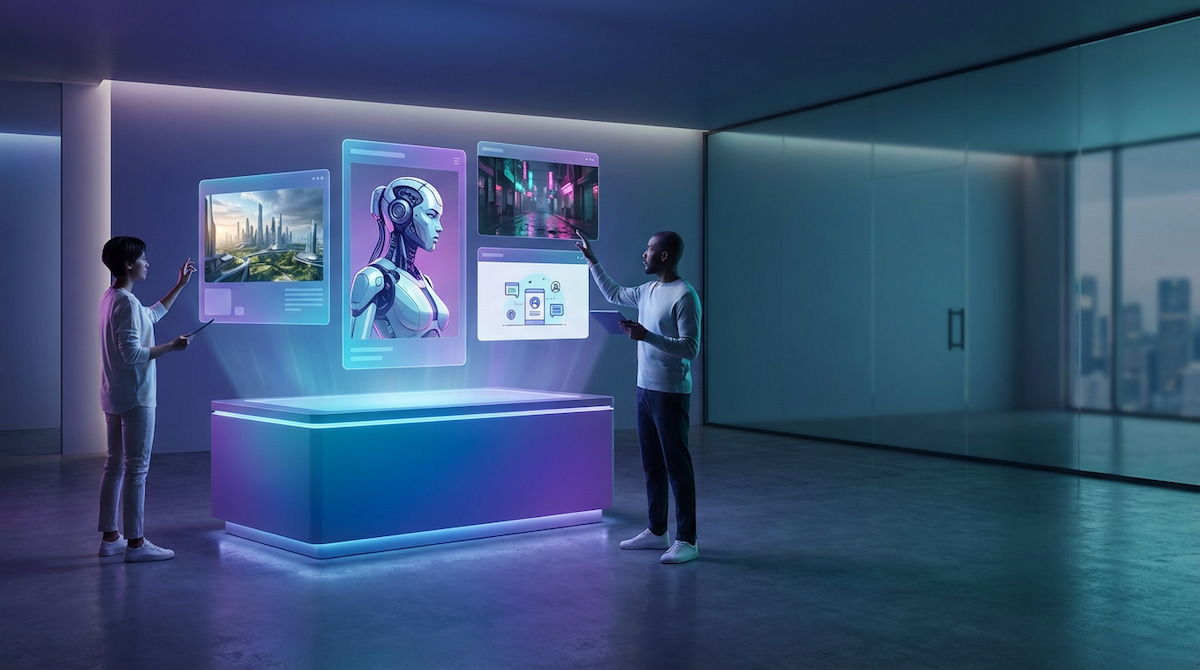
Introduction: One Prompt, Infinite Possibilities in AI Image Generation
AI image generators have transformed the way creatives, marketers, designers, and businesses produce visual content. From advertising campaigns to website banners and social media creatives, AI image generation is now a mainstream digital tool.
However, a common question arises:
Why does the same AI photo prompt produce completely different images across different AI image generators?
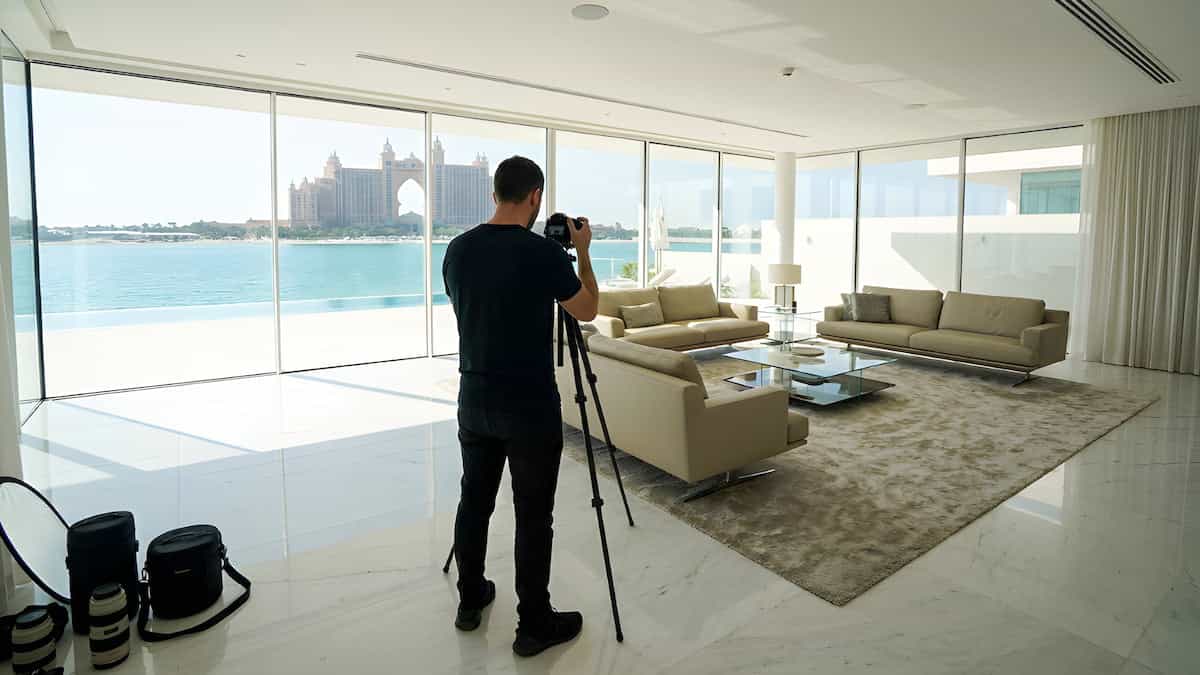
Gemini 3 - Nano Banana Pro
What Is an AI Photo Prompt?
An AI photo prompt is a text-based instruction that tells an AI image generator what to create. It usually includes:
- Subject (person, object, environment)
- Style (photorealistic, cinematic, illustration, cyberpunk)
- Lighting, mood, color palette
- Camera details (lens, depth of field, angle)
- Quality modifiers (8K, ultra-detailed, HDR)
Example prompt:
“Real estate photographer shooting a luxury villa interior, Palm Jumeirah, open-plan living space, marble floors, designer furniture, panoramic sea views through glass walls, natural daylight flooding the space, professional camera equipment visible, ultra-clean, modern, high-end interior photography aesthetic.”
Despite using the exact same prompt, results vary significantly depending on the AI image generator used.
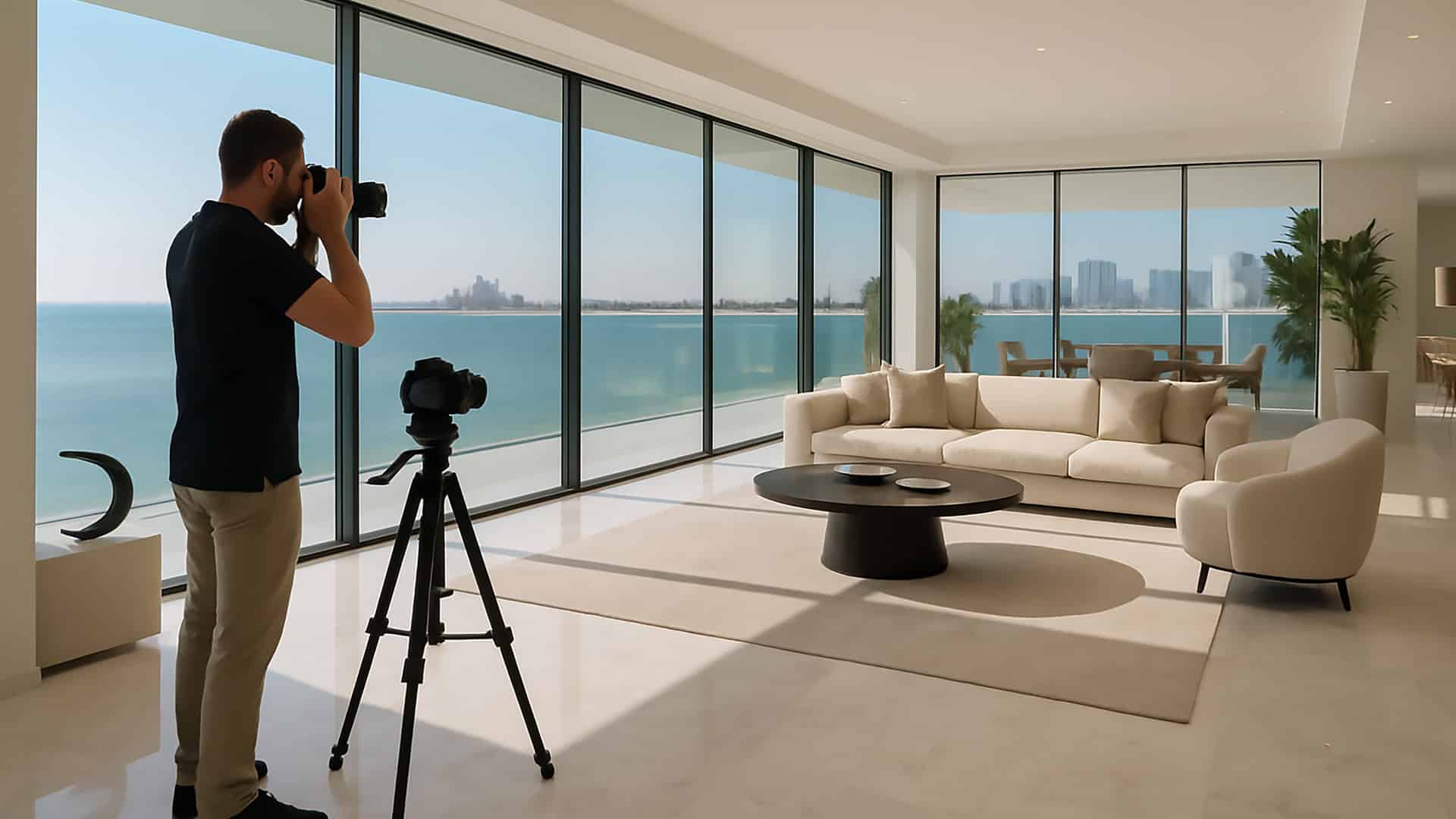
GPT Image
Why AI Image Generators Produce Different Results from the Same Prompt
1. Different Training Data Sets
Each AI image generator is trained on different datasets, including:
- Stock photography
- Artistic illustrations
- Digital art
- Licensed or curated image collections
For example:
- One model may associate “luxury villa” with minimalist architecture
- Another may visualize it as ornate, classical, or futuristic
Result: The AI “imagines” the prompt differently.
2. Model Architecture & Algorithms
Not all AI image generators use the same neural architecture.
Some prioritize:
- Artistic creativity
- Photorealism
- Conceptual abstraction
- Prompt literalness
Even subtle differences in diffusion models or attention mechanisms lead to visually distinct outputs, despite identical input text.
3. Prompt Interpretation & Weighting
AI image generators assign different importance (weights) to words in a prompt.
For example:
- One generator may prioritize “cinematic lighting”
- Another may emphasize “luxury villa”
- Another may focus on “sunset”
This weighting difference changes:
- Composition
- Color balance
- Subject placement
- Overall mood
4. Random Seed Values & Image Variability
AI image generation includes controlled randomness, often called a seed value.
Even with:
- Same prompt
- Same generator
Changing the seed can produce a completely different image. Across different AI image generators, default seed handling varies widely.
5. Built-In Style Biases
Many AI image generators have default aesthetic preferences, such as:
- Cinematic realism
- Painterly styles
- Hyper-detailed digital art
- Flat illustration looks
These biases are intentionally designed to differentiate platforms, leading to unique visual outputs from the same AI photo prompt.
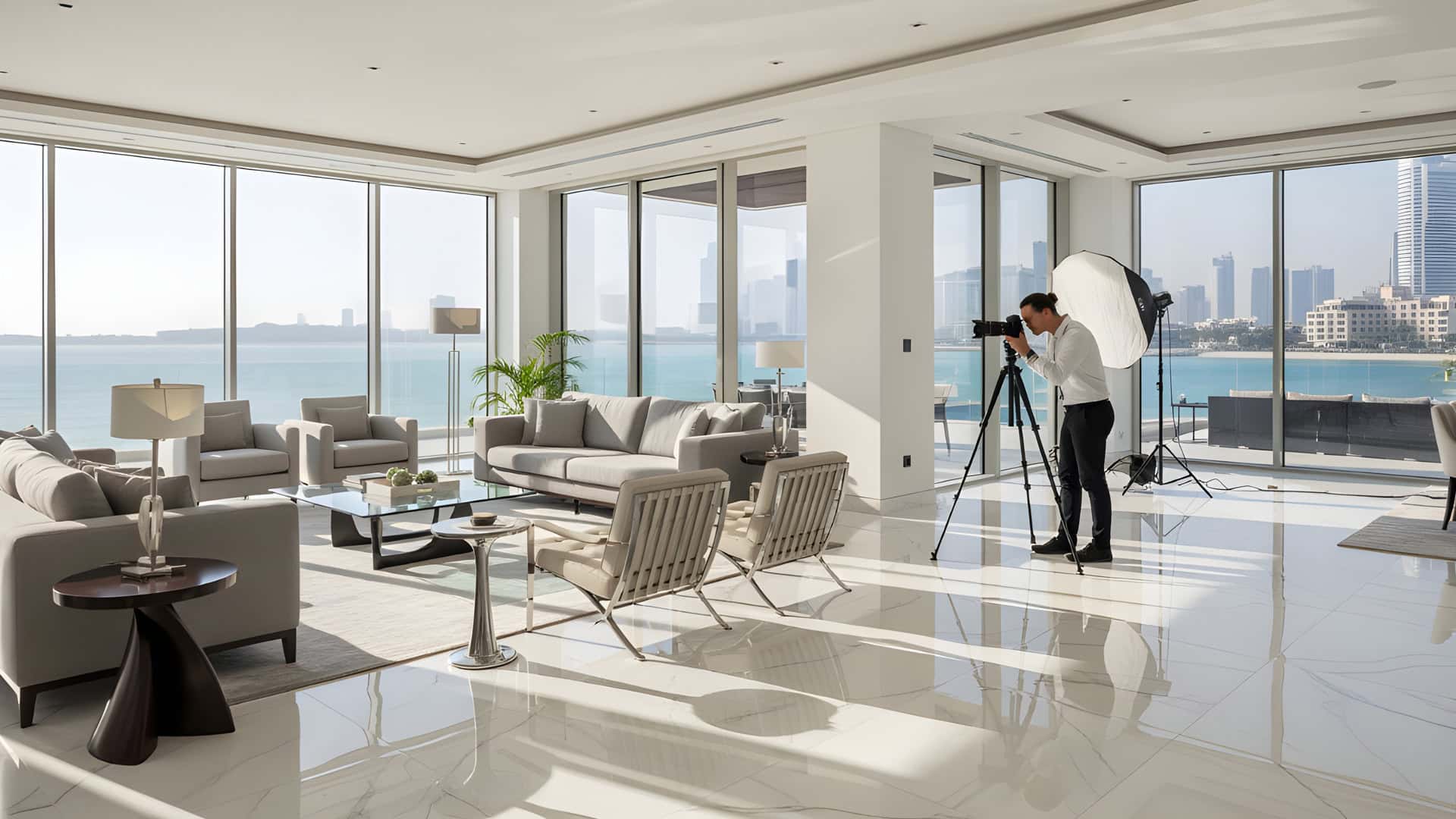
Imagen 4
Popular AI Image Generators Compared Using the Same Prompt
AI Image Generator | Output Style Tendency | Typical Strengths / Notes |
|---|---|---|
| Adobe Firefly Image 5 | Balanced & high-quality creative images with a commercial safe look | Designed for general creative use with control over lighting, composition, and layered editing; strong workflow integration in Adobe apps. |
| Gemini 3 Nano Banana Pro | Photorealistic, context-rich, accurate text & consistent characters | Excels at real-world scenes, clean text rendering/infographics, lighting, and camera angle refinement. |
| Flux 2.0 Pro | Artistic with realistic detail, strong text & people rendering | Known for generating dramatic and distinct visuals with good text integration and people accuracy. |
| Imagen 4 | Neutral photorealism with high fidelity & realistic detail | Reports show it produces high-quality, realistic imagery often compared to professional photography. |
| GPT Image | Versatile colors and styles, good illustrative/textual accuracy | OpenAI’s successor to DALL-E with strong natural language understanding and improved text/logo rendering. |
| Ideogram 3.0 | Clean illustrative graphics & contextual prompt refinement | Known for iterative prompt improvements and useful for posters/social visuals with choice of styles. |
| Runway Gen-4 Image | Consistent character & scene generation (photo/video-like) | Built for narrative continuity across scenes, maintains coherent objects & environment; strong storytelling imagery potential. |
When comparing the same prompt across these tools, the differences will likely be in:
- Realism vs. stylization (Imagen 4 & Nano Banana Pro tend toward realism)
- Text/logo rendering quality (GPT Image & Ideogram often excel)
- Creative/artistic flair (Flux 2.0 Pro and Adobe Firefly give more dramatic visuals)
- Narrative continuity & scene cohesion (Runway Gen-4 especially for multi-frame or thematic scenes)
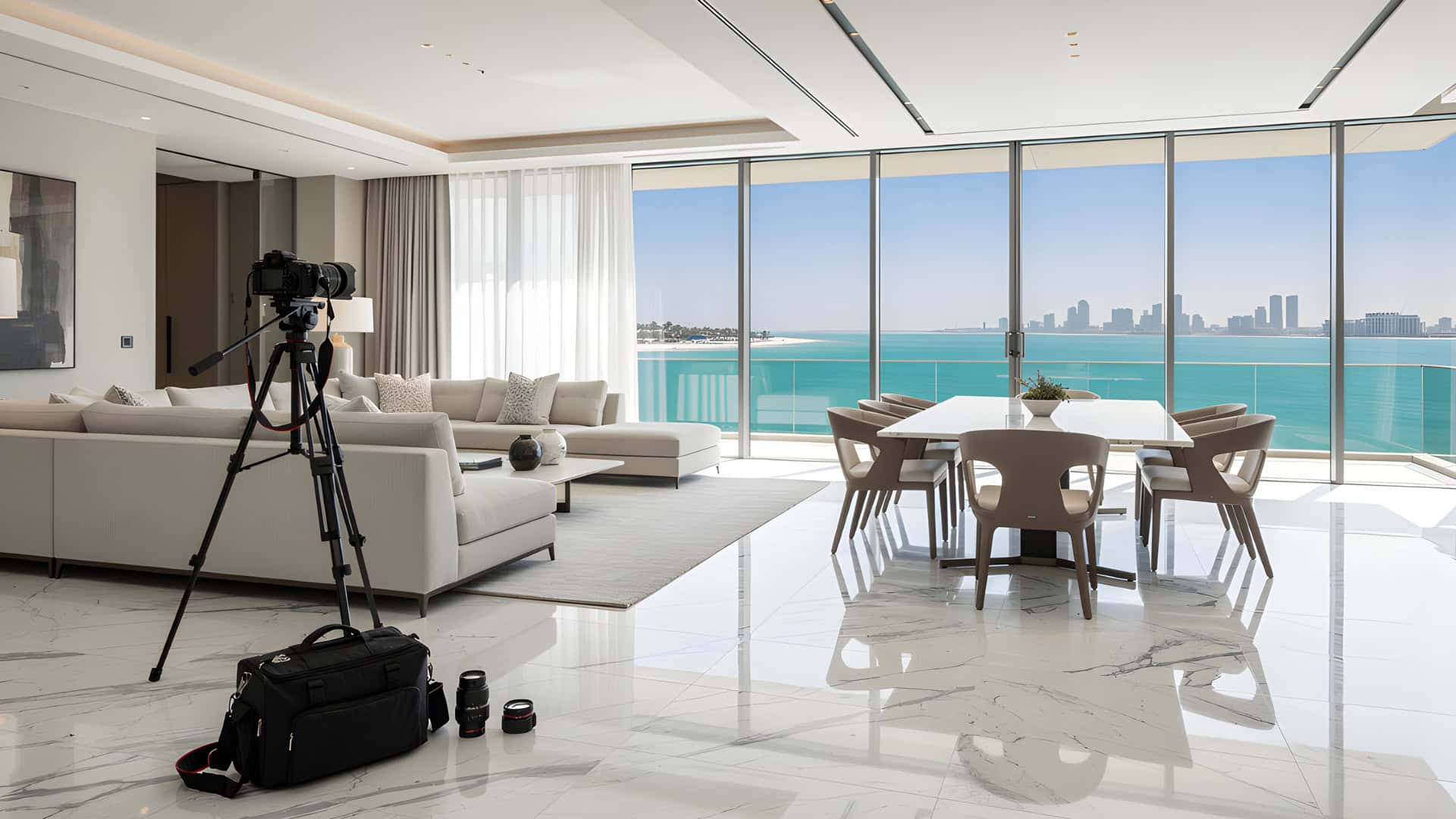
Flux 2.0 Pro
Why This Matters for SEO, Branding & Marketing
1. Visual Uniqueness Improves SEO
Search engines value original visual content. Using different AI image generators helps you:
- Avoid duplicate visuals
- Increase image search visibility
- Strengthen on-page SEO
2. Brand Differentiation
If competitors use the same AI photo prompt on the same tool, visuals can look repetitive.
Using multiple AI image generators ensures:
- Distinct branding
- Unique campaign visuals
- Higher recall value
3. Better Conversion Optimization
Testing the same prompt across different AI image generators allows marketers to:
- A/B test visuals
- Optimize landing pages
- Improve ad CTRs
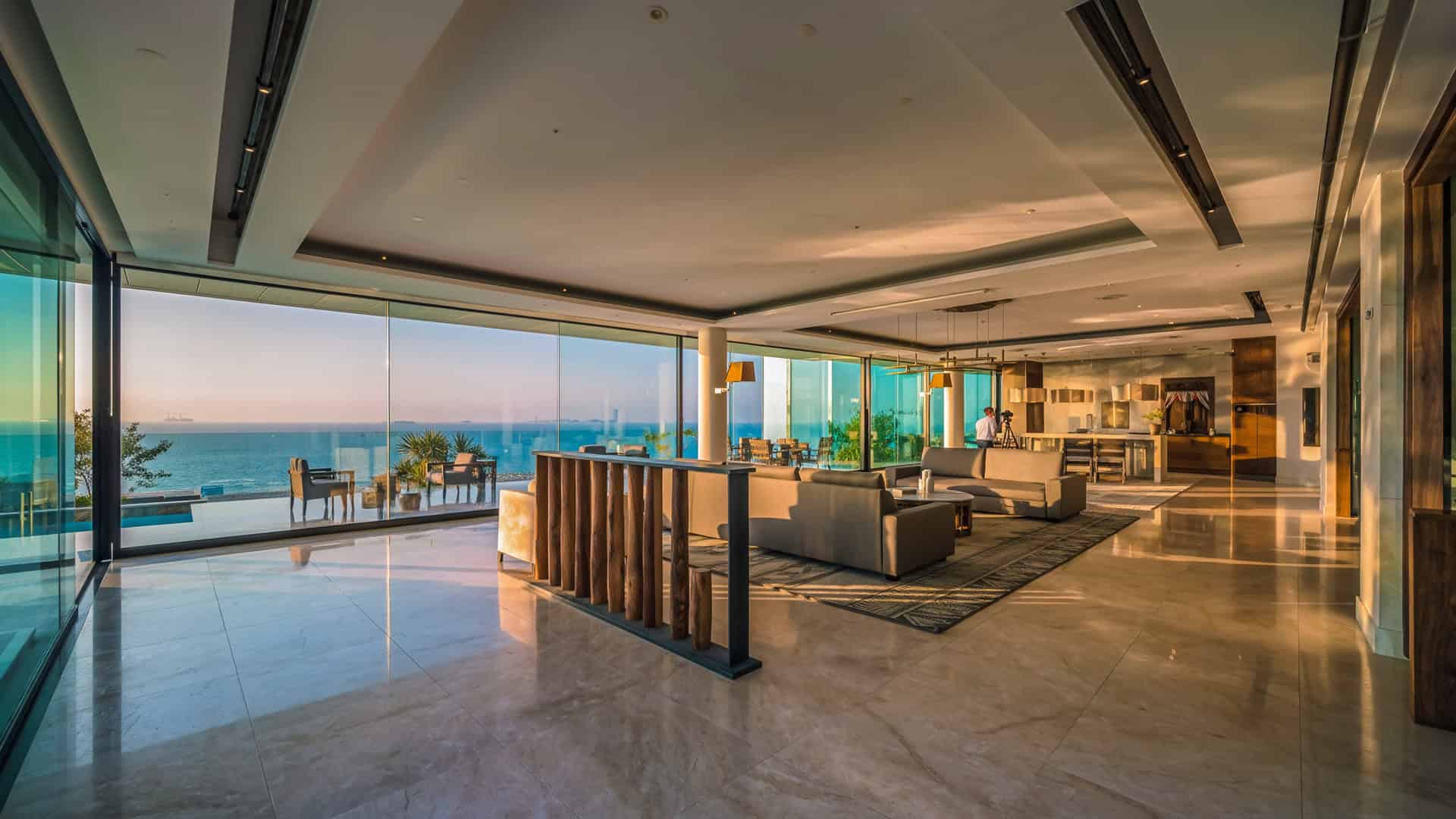
Adobe Firefly Image5
Best Practices: How to Get the Best Results from AI Image Generators
- Use the same base prompt across multiple platforms
- Slightly tweak descriptors per generator
- Control style keywords carefully
- Test multiple outputs before final selection
- Match generator strengths with project goals
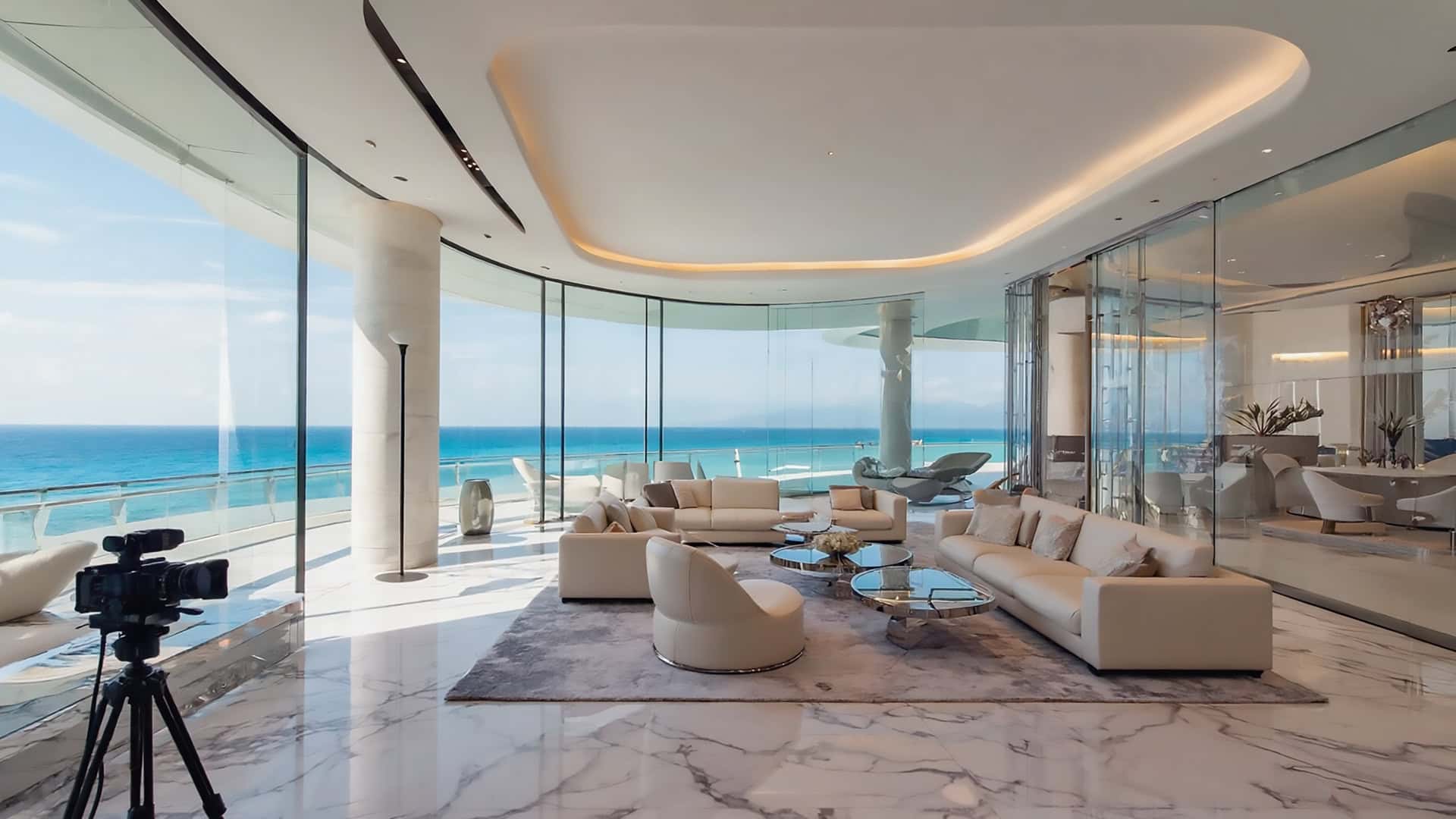
Runway Gen-4 Image
Final Thoughts: One Prompt, Many Creative Realities
AI image generators don’t just “draw” your prompt—they interpret it through their own trained imagination.
That’s why the same AI photo prompt can result in:
- Different moods
- Different styles
- Different commercial usability
Understanding this difference empowers designers, SEO professionals, and marketers to create more effective visuals, stronger branding, and higher-performing content.
Frequently Asked Questions on AI Image Generators & Photo Prompts
What are AI image generators?
AI image generators are advanced tools that use artificial intelligence and machine learning models to create images from text prompts. They analyze written descriptions and transform them into visuals such as photographs, illustrations, digital art, or cinematic scenes.
Why does the same AI photo prompt produce different results?
The same AI photo prompt produces different results because each AI image generator is trained on different datasets and uses unique algorithms. Variations in model architecture, prompt interpretation, random seed values, and built-in style biases lead to distinct visual outputs.
Do all AI image generators interpret prompts the same way?
No. AI image generators interpret prompts differently by assigning varying importance to keywords such as style, lighting, composition, or subject. Some prioritize realism, while others focus on artistic creativity or brand-safe visuals.
Which AI image generator is best for website banners?
The best AI image generator for website banners depends on your goal:
- Photorealistic banners: Imagen, Gemini, GPT Image
- Creative or artistic banners: Firefly, Flux
- Marketing-friendly designs: Firefly, Ideogram
- Cinematic or storytelling visuals: Runway Gen-4 Image
Can AI-generated images be used for commercial purposes?
Yes, most AI image generators allow commercial use, but licensing terms vary by platform. Always review the usage rights and content policies of the specific AI image generator before using images for marketing, advertising, or branding.
Are AI-generated images good for SEO?
Yes. AI-generated images can improve SEO when they are unique, optimized with descriptive file names, proper alt text, compressed for performance, and relevant to the page content. Original visuals help improve engagement and reduce bounce rates.
How can marketers benefit from using multiple AI image generators?
Using multiple AI image generators allows marketers to:
- Create visually unique assets
- Avoid repetitive or generic designs
- A/B test different visual styles
Improve brand differentiation and campaign performance
What is an AI photo prompt?
An AI photo prompt is a detailed text instruction used to guide an AI image generator. It typically includes the subject, style, lighting, mood, camera angle, resolution, and quality modifiers to influence the final image output.
Can I control the style of AI-generated images?
Yes. You can control the style by adding specific keywords such as “photorealistic,” “cinematic lighting,” “minimalist,” or “digital illustration.” However, final results still depend on the AI model’s inherent style tendencies.
Is it possible to generate consistent images across different AI tools?
Exact consistency across different AI image generators is not possible. However, consistency can be improved by using detailed prompts, controlling aspect ratios, specifying styles, and generating multiple variations to select the closest match.
Do AI image generators replace designers?
AI image generators do not replace designers but enhance their workflow. Designers use AI as a creative accelerator for ideation, prototyping, and visual exploration, while human creativity ensures brand alignment and strategic design decisions.




Leave A Comment