

Dubai Metro Gold Line: Route, Stations, Cost & Future Impact
Introduction: Dubai’s Biggest Metro Expansion Yet
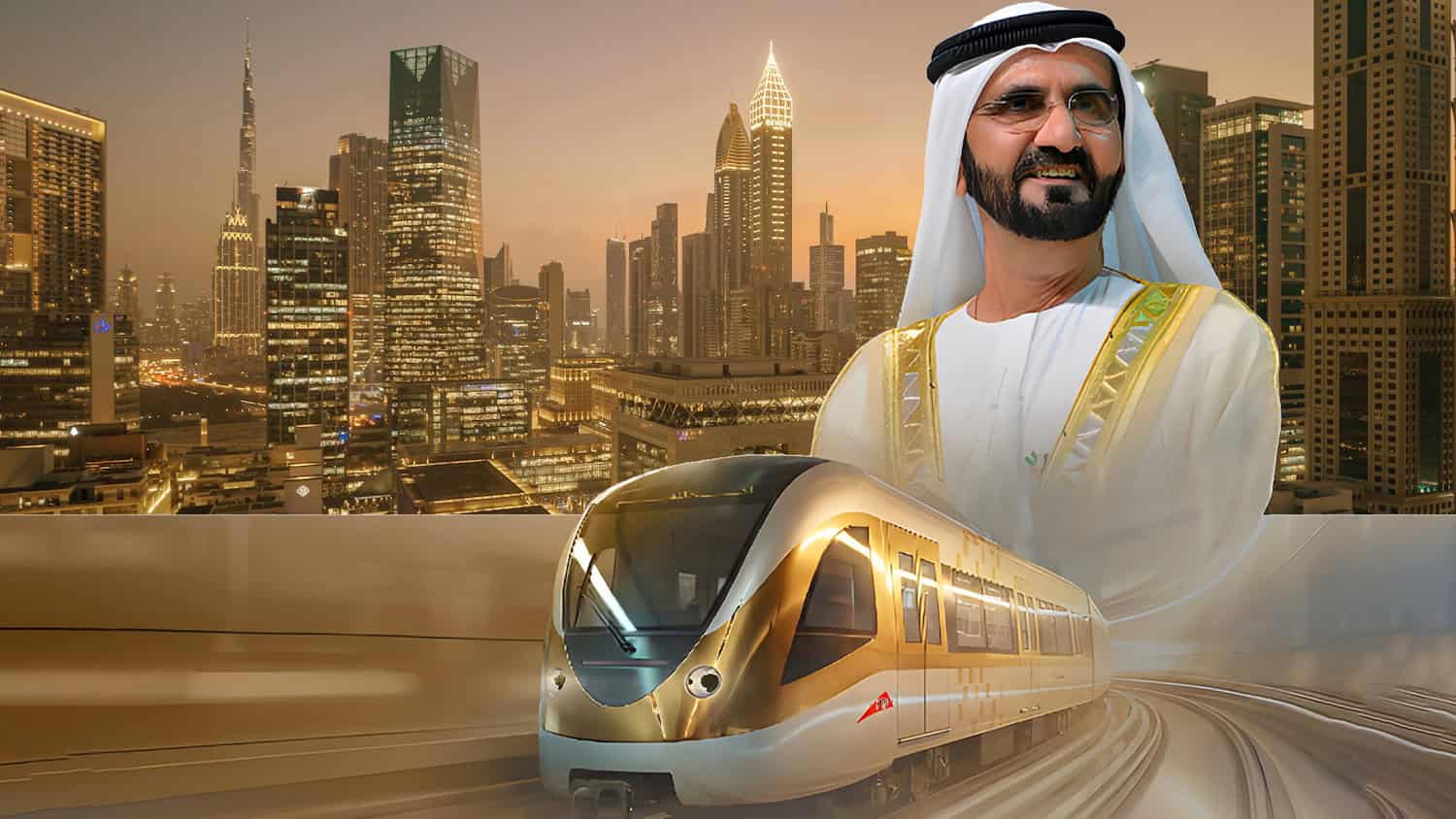
Dubai continues to push the boundaries of smart urban mobility with the announcement of the Dubai Metro Gold Line, one of the most ambitious transport projects in the city’s history.
Approved in 2026, this new metro line is designed to enhance connectivity, reduce congestion, and support Dubai’s long-term growth vision, making it a key part of the emirate’s future infrastructure.
What is the Dubai Metro Gold Line?
The Dubai Metro Gold Line is a newly announced rapid transit route that will significantly expand the city’s rail network.
Key Facts:
Length: 42 km
Stations: 18 planned stations
Type: Fully underground metro line
Investment: AED 34 billion ($9 billion)
Opening Date: September 9, 2032
This makes it the largest transport project ever launched in Dubai.
The 18 Proposed Stations of the Gold Line
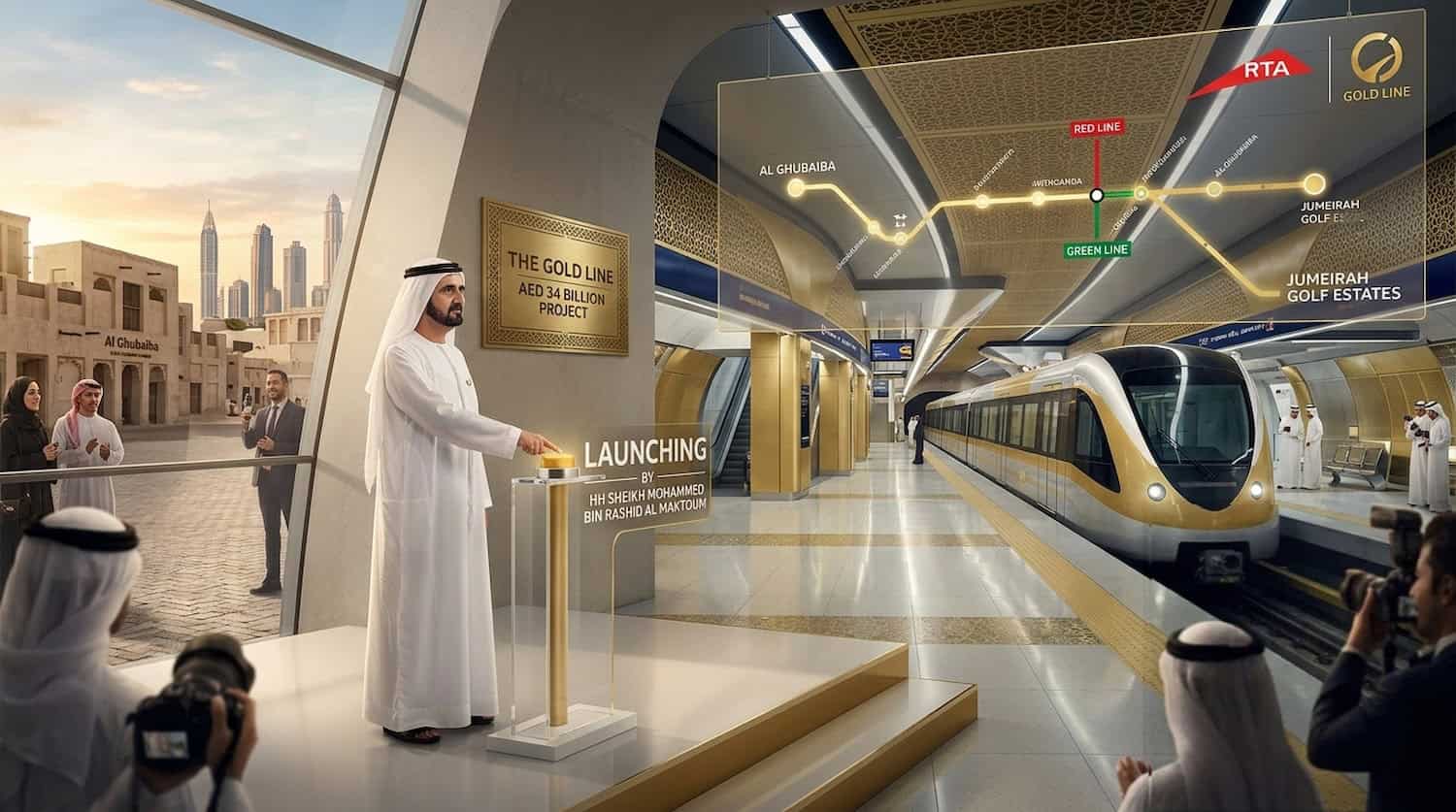
While the RTA has not yet finalized every individual station name, the approved route map identifies the following 18 key stops along the corridor:
- Al Ghubaiba Interchange (Connection to Green Line)
- Al Mina (Serving Mina Rashid and Etihad Museum)
- Al Satwa 1 (Near Satwa Bus Station)
- Al Satwa 2 (Further along Al Satwa Road)
- City Walk (Near Coca-Cola Arena)
- Business Bay Interchange (Connection to Red Line)
- Burj Khalifa Road (Downtown Dubai area)
- District 1 (North)
- District 1 (South)
- Nad Al Sheba (Near Nad Al Sheba Mall)
- Dubai Hills
- Meydan (Interchange with Etihad Rail)
- Hadaeq Mohammed Bin Rashid
- Dubai Miracle Garden
- Al Barsha South
- Jumeirah Village Circle (JVC)
- Dubai Production City
- Jumeirah Golf Estates Interchange (Connection to Red Line & Etihad Rail)
Stations & Network Expansion
18 stations planned across the route
Expands Dubai Metro network by up to 35%
The total network will grow to 162 km and 85 stations
The Gold Line will serve over 1.5 million residents and connect more than 55 major real estate developments.
Why the Gold Line Matters
1. Reducing Traffic Congestion
The new line is designed to ease pressure on existing metro lines and road networks, especially along busy corridors like Business Bay and Dubailand.
2. Supporting Dubai’s Urban Growth
Dubai is rapidly expanding, and the Gold Line will:
- Connect new residential communities
- Improve access to business districts
- Support the Dubai 2040 Urban Master Plan
3. Boosting Economic Growth
Expected 430% economic return over 20 years
Improves productivity through reduced travel time
Enhances real estate value in connected areas
4. Sustainable Transportation
The Gold Line promotes:
- Reduced carbon emissions
- Lower fuel consumption
- Increased reliance on public transport
Aligns with Dubai’s sustainability and smart city goals.
Future Capacity & Performance
465,000 passengers daily by 2040
Fully underground system reaching depths of up to 40 meters
This positions the Gold Line as a high-capacity, future-ready transit solution.
Construction Timeline
Announced: April 2026
Construction Start: Expected 2026
Completion Target: September 9, 2032
Dubai continues its tradition of launching major metro lines on September 9, symbolizing milestones in its transport evolution.
Integration with Dubai’s Transport Network
The Gold Line will work alongside:
Existing Red and Green lines
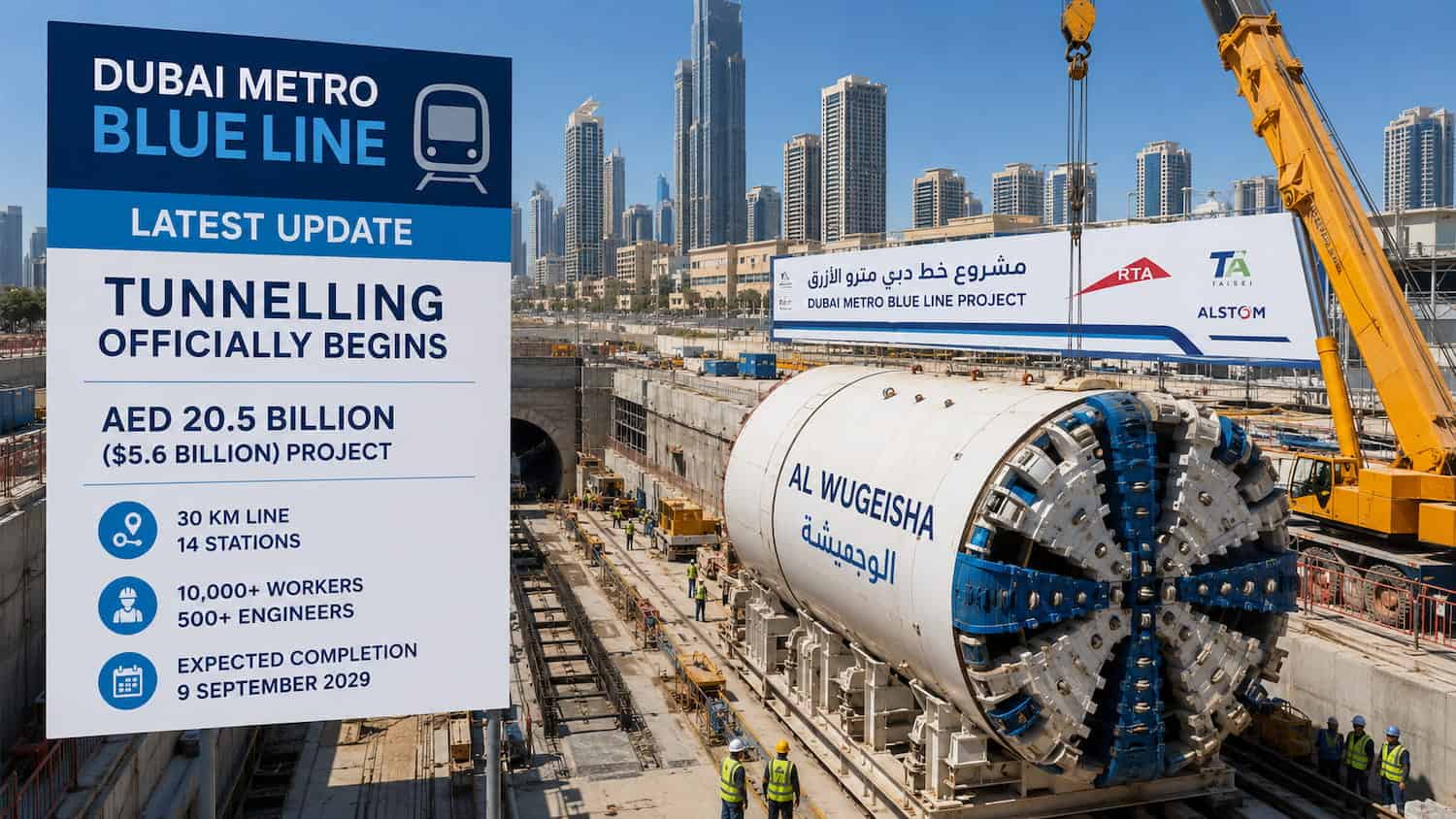
Upcoming Blue Line project
Etihad Rail (national railway system)
This creates a multi-modal transport network, making travel across Dubai faster and more efficient.
Impact on Real Estate & Lifestyle
Areas connected by the Gold Line are expected to see:
- Increased property demand
- Higher rental yields
- Improved accessibility
Communities like Meydan, JVC, and Dubailand will benefit significantly from improved connectivity.
Final Thoughts – Dubai Metro Gold Line
The Dubai Metro Gold Line is more than just a transport project, it’s a strategic investment in the future of Dubai.
With its infrastructure, seamless connectivity, and focus on sustainability, the Gold Line will play a crucial role in shaping Dubai into one of the world’s most advanced and connected cities.
Leave A Comment