Project Description
Company Uniform Design: Elevate Your Brand Identity
A well-designed company uniform is more than just clothing—it’s a powerful branding tool that fosters professionalism, unity, and trust. Whether you run a corporate office, a restaurant, a retail store, or a hospitality business, the right uniform design can enhance your team’s image and reinforce your brand identity.
Why Invest in Professional Company Uniform Design?
1. Strengthens Brand Recognition
Consistent colors, logos, and styles make your employees easily identifiable, increasing brand visibility.
2. Boosts Team Morale & Professionalism
A polished uniform instills pride and a sense of belonging among employees, improving confidence and performance.
3. Enhances Customer Trust
Customers perceive uniformed staff as more credible and approachable, leading to better service experiences.
4. Improves Functionality & Comfort
Industry-specific uniforms (e.g., breathable fabrics for hospitality, durable materials for construction) ensure practicality and comfort.
Key Elements of Effective Uniform Design
1. Brand Alignment
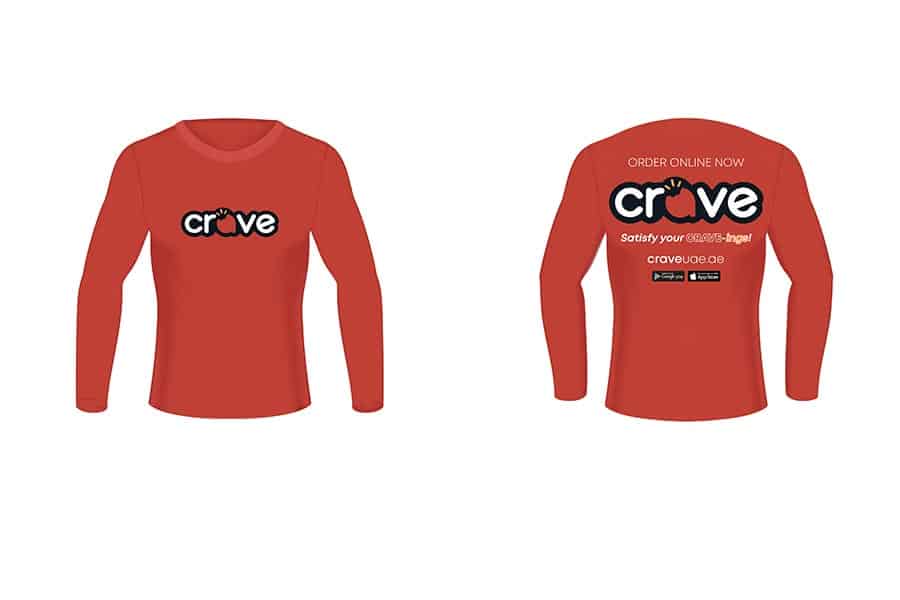
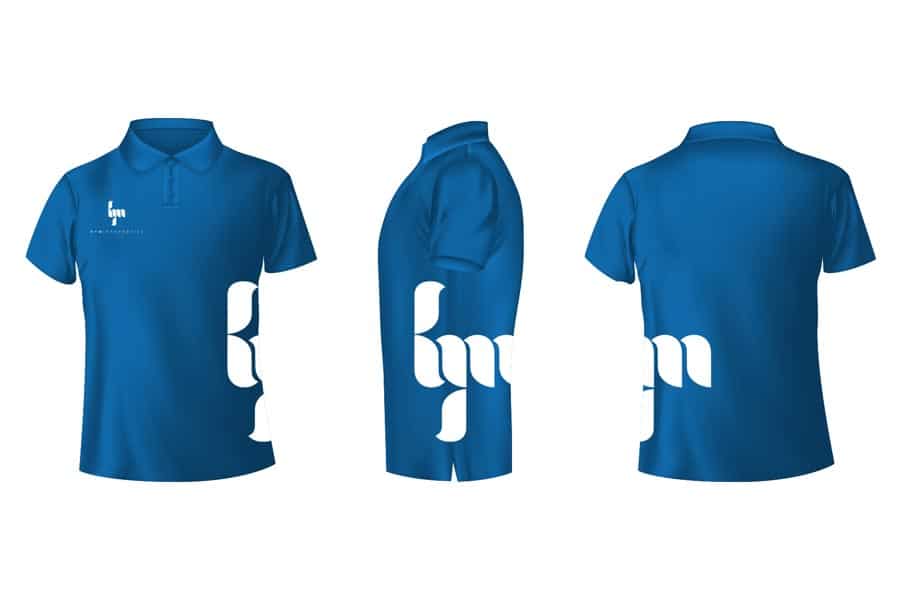
Colors & Logos – Use your brand’s color palette and logo placement strategically.
Typography & Taglines – Subtle branding elements like embroidered names or slogans add a personal touch.
2. Industry-Appropriate Style
Corporate: Sleek blazers, tailored shirts, or branded polo shirts.
Hospitality: Elegant, wrinkle-resistant fabrics with a polished look.
Retail & Food Service: Comfortable, easy-to-clean uniforms with pockets for utility.
Healthcare & Safety: High-visibility or scrubs with functional designs.
3. Comfort & Fabric Choice
Lightweight, breathable materials (cotton, polyester blends) for hot climates.
Stretchable, moisture-wicking fabrics for active roles.
Durable, stain-resistant fabrics for industrial or food service workers.
4. Customization Options
Embroidery vs. Printing – Embroidery offers a premium look, while printing is cost-effective for large logos.
Fit & Sizing – Offer a range of sizes and consider tailored fits for a more professional appearance.
Trends in Modern Uniform Design
✔ Minimalist & Modern – Clean lines, neutral tones, and subtle branding for a sophisticated look.
✔ Sustainable Fabrics – Eco-friendly materials like organic cotton or recycled polyester appeal to environmentally conscious brands.
✔ Tech-Integrated Uniforms – Some industries are incorporating smart fabrics with moisture control or RFID for security.
✔ Modest & Inclusive Designs – Adaptable styles for cultural preferences and diverse body types.
Steps to Create the Perfect Company Uniform
Define Your Brand Identity – Align the design with your company’s values and industry standards.
Consult Employees – Get feedback on comfort, functionality, and style preferences.
Work with a Professional Designer – Collaborate with uniform specialists for custom solutions.
Test Before Mass Production – Order samples to check fit, durability, and aesthetics.
Plan for Maintenance – Ensure uniforms are easy to clean and maintain for long-term use.
Final Thoughts
A thoughtfully designed company uniform enhances brand perception, improves employee satisfaction, and leaves a lasting impression on customers. Whether you’re refreshing an old design or creating a new one, investing in quality uniforms is an investment in your business’s success.
Let’s work together! Keep in touch to get your company uniform design in Dubai: +971 56 287 4972 | [email protected]
Frequently Asked Questions on Company Uniform Design
1. What is company uniform design?
Company uniform design is the process of creating customized workwear that reflects a brand’s identity, values, and professionalism. It includes selecting colors, fabrics, logos, typography, and overall style to ensure employees consistently represent the brand.
2. Why is company uniform design important?
A well-designed corporate uniform:
- Strengthens brand recognition
- Enhances professionalism
- Builds customer trust
- Promotes team unity
- Creates a consistent brand image
Uniforms act as walking advertisements for your business.
3. What industries benefit from corporate uniform design?
Almost every industry benefits, including:
- Hospitality (hotels, restaurants, cafes)
- Healthcare (clinics, hospitals)
- Retail stores
- Construction & engineering
- Corporate offices
- Event & exhibition companies
- Real estate firms
4. How do you design a professional company uniform?
The process typically includes:
- Understanding brand identity
- Choosing brand-aligned colors
- Selecting suitable fabrics
- Designing logo placement
- Creating mockups
- Final production and fitting
A professional uniform designer ensures functionality and aesthetics are balanced.
5. What fabrics are best for company uniforms?
It depends on the industry:
- Cotton or cotton blends for comfort
- Polyester blends for durability
- Stretch fabrics for flexibility
- Moisture-wicking fabrics for active roles
- Fire-resistant materials for industrial sectors
Comfort and durability should always be prioritized.
6. How much does a company uniform design cost?
Costs vary depending on:
- Design complexity
- Fabric quality
- Quantity ordered
- Custom embroidery or printing
- Number of uniform variations
Bulk orders usually reduce per-unit cost.
7. How long does it take to design and produce uniforms?
The timeline can range from 2 to 6 weeks, depending on:
- Design approval process
- Fabric sourcing
- Production quantity
- Custom branding requirements
Urgent projects may be possible with express production.
8. Can uniforms be customized for different departments?
Yes. Many companies design variations of uniforms for:
- Management
- Customer service
- Technical staff
- Field workers
This maintains brand consistency while differentiating roles.
9. Should company uniforms include logos?
Yes. Logo placement (chest, sleeve, back, collar) increases brand visibility. Embroidery is commonly used for premium uniforms, while printing works well for promotional or casual wear.
10. How do company uniforms improve employee morale?
Uniforms create equality, promote belonging, and eliminate dress code confusion. When employees feel professionally presented and comfortable, confidence and productivity improve.
11. What is the difference between corporate uniforms and promotional apparel?
Corporate uniforms are daily workwear designed for long-term use, while promotional apparel is typically used for marketing campaigns, events, or giveaways.
12. How do I choose the right company uniform designer?
Look for:
- Industry experience
- Portfolio of previous work
- Fabric knowledge
- Customization options
- Clear production timelines
- Positive client reviews